Showing posts with label Saudi Arabia missing. Show all posts

Germany – Saudi Arabia – Austria – Belgium – United Arab Emirates – Spain – France – Hungary – Italy – Kazakhstan – Morocco – Mongolia – Pakistan – Portugal – Qatar – Syrian Arab Republic – Republic of Korea – Czechia - Falconry, A Living Human Heritage

"Originally a method of obtaining food, the practice of falconry has evolved over time to be more associated with nature conservation, cultural heritage and social engagement within and amongst communities. Following their own set of traditions and ethical principles, falconers train, fly and breed birds of prey (which includes besides falcons, birds such as eagles and hawks) developing a bond with them and becoming their main source of protection. The practice, present in many countries around the world, may vary regarding certain aspects, for example the type of equipment used but the methods remain similar. Falconers regard themselves as a group and may travel weeks at a time engaging in the practice, while in the evenings recounting stories of the day together. They consider falconry as providing a connection to the past, particularly for communities for which the practice is one of their few remaining links with their natural environment and traditional culture. Knowledge and skills are transmitted in an intergenerational manner within families by formal mentoring, apprenticeship or training in clubs and schools. In some countries, a national examination must be passed in order to become a falconer. Field meets and festivals provide opportunities for communities to share knowledge, raise awareness and promote diversity."

Source: UNESCO Intangible Cultural Heritage

Collected: Austria, France, Mongolia, Qatar, UAE, Germany (6 countries)

Missing: Austria, Belgium, Czechia, Hungary, Italy, Kazakhstan, Morocco, Pakistan, Portugal, Saudi Arabia, South Korea, Spain, Syria (missing 13 countries)

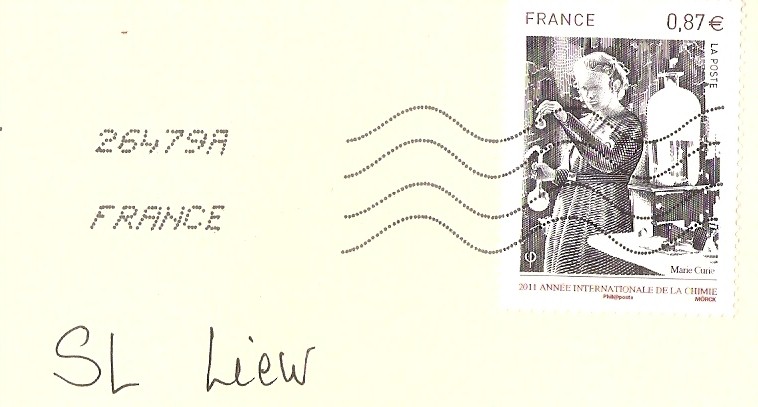
Postcard 1 - Falconry in France 
Spectacle de Fauconnerie Equestre was held in Provins. Thanks to Sylvie of France who went to see this performance and bought this postcard.



Postcard 2 - Falconry in Mongolia
A postcard of Mongolian falconry. Falconry is now listed in 2010 as UNESCO Intangible Cultural Heritage in Mongolia, France, UAE and other countries. This is my 3rd postcard sent from Mongolia. Thanks to Cliffe.


Postcard 3 - Falconry in Qatar
Falconry in Qatar. Thanks to Ashraf of Qatar.


Postcard 4A - Falconry of United Arab Emirates
Falcons are important in UAE. Falcon is seen in the UAE stamps used. Thanks to Cazz of UK for sending this card from Ras Al Khaimal, one of the seven emirates of UAE.


Postcard 4B - Falconry in UAE
Awesome postcard of falconry of UAE. Thanks to Jean-Pierre France for mailing from Sharjah, UAE.


Postcard 4C - Falconry in UAE 
Nice falcon postcard with matching falcon stamps. Thanks to Jean-Pierre of France.


Postcard 4D - Falconry in UAE 
Falcon Center, Dubai, United Arab Emirates with special Dubai Expo 2020 cancelation. Thanks to Jean-Pierre of France. Postmarked March 23, 2022 and arrived on April 1, 2022.


Postcard 4E - Falconry in UAE 
A nice Falconry postcard of Dubai, UAE. Thanks to Jean-Pierre of France.


Postcard 5 - Falconry in Germany 
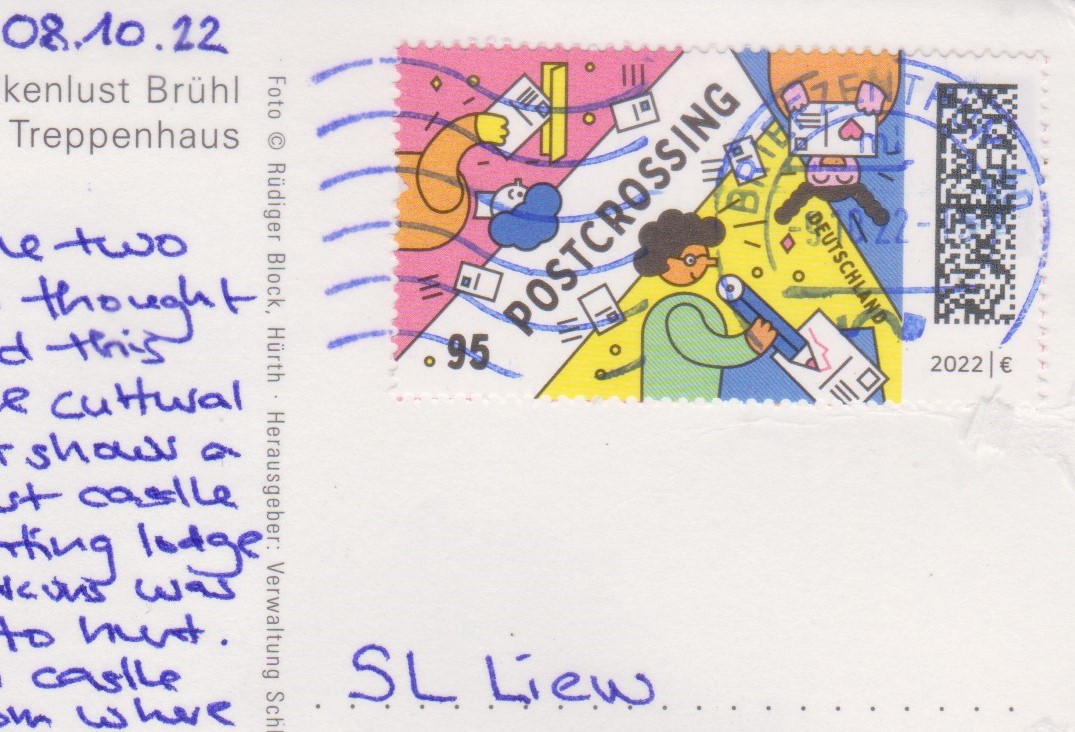
The falconry motif of a staircase tile of Falkenlust Hunting Lodge, Bruhl, Germany. Falconru is a UNESCO Intangible Cultural Heritage in Germany. Thanks to Marcel of Germany.

Saudi Arabia - Almezmar, drumming and dancing with sticks

Almezmar is a traditional group performance practised by members of the Hijazi community in Saudi Arabia for festive occasions, such as family and national celebrations, religious holidays or government events. It involves about 15 to 100 practitioners dressed in long white garments who begin by standing in two rows opposite each other. When beating drums are heard, the leader of each row starts to clap and chant loudly songs about gallantry, generosity or love. The first row of performers repeats the song with strong clapping, then the second row sings antiphonally. Two performers go to the centre, twirling large sticks in quick, graceful moves, sometimes around a fire or objects then two others follow. Women participate in some of the costume making and may take part in the singing and dancing in private gatherings, while local craftspeople produce the drums and sticks used. The tradition is passed down to younger generations through observation and practice mainly by performing arts troupes and heritage centres. Almezmar is a cultural expression that acts as a marker of community identity, brings together people from diverse backgrounds, is a source of entertainment and offers shared knowledge that provides a part of the community’s collective memory.

Saudi Arabia - Al-Qatt Al-Asiri, female traditional interior wall decoration in Asir, Saudi Arabia

Al-Qatt Al-Asiri, a traditionally female interior wall decoration, is an ancient art form considered as a key element of the identity of the region of Asir. It is a spontaneous art technique carried out largely by women today in the community that involves decorating the interior walls of their houses, specifically rooms for visiting guests. Women invite female relatives of various age groups to help them in their homes, thereby transmitting this knowledge from generation to generation. The base is usually white gypsum and the patterns consist of icons of geometric shapes and symbols. In the past, only women practised the element, but nowadays male and female artists, designers, interior designers and architects practise it, including on other surfaces. The art enhances social bonding and solidarity among the community and has a therapeutic effect on its practitioners. The application of the art in most households ensures its viability within the community, and local individuals have created galleries within their houses in order to safeguard it. Observation and practice are the key methods for transmitting the practice from one generation to the next, and societies, NGOs and individuals all play a key role in safeguarding, promoting and transmitting the related knowledge and skills.

Saudi Arabia, Algeria, Bahrain, Egypt, Iraq, Jordan, Kuwait, Lebanon, Mauritania, Morocco, Oman, Palestine, Sudan, Tunisia, United Arab Emirates, Yemen - Arabic calligraphy: knowledge, skills and practices

Arabic calligraphy is the artistic practice of handwriting Arabic script in a fluid manner to convey harmony, grace and beauty. The practice, which can be passed down through formal and informal education, uses the twenty-eight letters of the Arabic alphabet, written in cursive, from right to left. Originally intended to make writing clear and legible, it gradually became an Islamic Arab art for traditional and modern works. The fluidity of Arabic script offers infinite possibilities, even within a single word, as letters can be stretched and transformed in numerous ways to create different motifs. Traditional techniques use natural materials, such as reeds and bamboo stems for the qalam, or writing instrument. A mixture of honey, black soot and saffron is used for the ink, and the paper is handmade and treated with starch, egg white and alum. Modern calligraphy commonly uses markers and synthetic paint, and spray paint is used for calligraffiti on walls, signs and buildings. Artisans and designers also use Arabic calligraphy for artistic enhancement, such as for marble and wood carving, embroidery and metal etching. Arabic calligraphy is widespread in Arab and non-Arab countries and is practised by men and women of all ages. Skills are transmitted informally or through formal schools or apprenticeships.