Showing posts with label Austria missing. Show all posts

Albania - Andorra - Austria - Croatia - France - Greece - Italy - Luxembourg - Romania - Spain - Transhumance, the seasonal droving of livestock

"Transhumance refers to the seasonal movement of people with their livestock between geographical or climatic regions. Each year, in spring and autumn, men and women herders organise the movement of thousands of animals along traditional pastoral paths. They move on foot or horseback, leading with their dogs and sometimes accompanied by their families. An ancestral practice, transhumance stems from a deep knowledge about the environment and entails social practices and rituals related to the care, breeding and training of animals and the management of natural resources. An entire socio-economic system has been developed around transhumance, from gastronomy to local handicrafts and festivities marking the beginning and end of a season. Families have been enacting and transmitting transhumance through observation and practice for many generations. Communities living along transhumance routes also play an important role in its transmission, such as by celebrating herd crossings and organising festivals. The practice is also transmitted through workshops organised by local communities, associations and networks of herders and farmers, as well as through universities and research institutes. Transhumance thus contributes to social inclusion, strengthening cultural identity and ties between families, communities and territories while counteracting the effects of rural depopulation."

Source: UNESCO Intangible Cultural Heritage


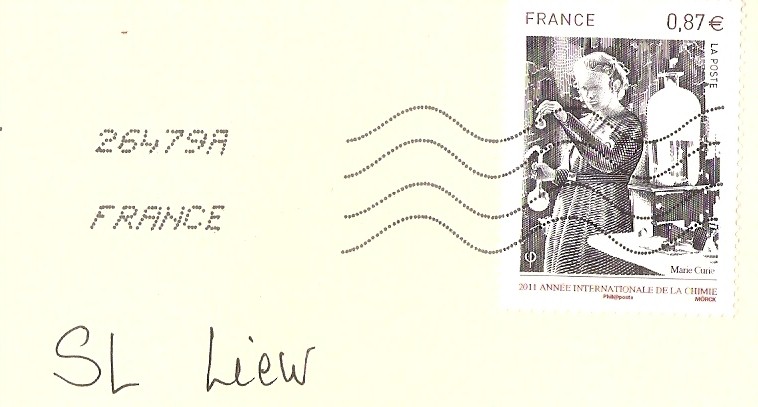
Transhumance, the seasonal droving of livestock in Causse region of southern France. Is is a UNESCO Intangible Cultural Heritage. Thanks to Jean-Pierre of France.

Germany – Saudi Arabia – Austria – Belgium – United Arab Emirates – Spain – France – Hungary – Italy – Kazakhstan – Morocco – Mongolia – Pakistan – Portugal – Qatar – Syrian Arab Republic – Republic of Korea – Czechia - Falconry, A Living Human Heritage

"Originally a method of obtaining food, the practice of falconry has evolved over time to be more associated with nature conservation, cultural heritage and social engagement within and amongst communities. Following their own set of traditions and ethical principles, falconers train, fly and breed birds of prey (which includes besides falcons, birds such as eagles and hawks) developing a bond with them and becoming their main source of protection. The practice, present in many countries around the world, may vary regarding certain aspects, for example the type of equipment used but the methods remain similar. Falconers regard themselves as a group and may travel weeks at a time engaging in the practice, while in the evenings recounting stories of the day together. They consider falconry as providing a connection to the past, particularly for communities for which the practice is one of their few remaining links with their natural environment and traditional culture. Knowledge and skills are transmitted in an intergenerational manner within families by formal mentoring, apprenticeship or training in clubs and schools. In some countries, a national examination must be passed in order to become a falconer. Field meets and festivals provide opportunities for communities to share knowledge, raise awareness and promote diversity."

Source: UNESCO Intangible Cultural Heritage

Collected: Austria, France, Mongolia, Qatar, UAE, Germany (6 countries)

Missing: Austria, Belgium, Czechia, Hungary, Italy, Kazakhstan, Morocco, Pakistan, Portugal, Saudi Arabia, South Korea, Spain, Syria (missing 13 countries)

Postcard 1 - Falconry in France 
Spectacle de Fauconnerie Equestre was held in Provins. Thanks to Sylvie of France who went to see this performance and bought this postcard.


Postcard 2 - Falconry in Mongolia
A postcard of Mongolian falconry. Falconry is now listed in 2010 as UNESCO Intangible Cultural Heritage in Mongolia, France, UAE and other countries. This is my 3rd postcard sent from Mongolia. Thanks to Cliffe.


Postcard 3 - Falconry in Qatar
Falconry in Qatar. Thanks to Ashraf of Qatar.


Postcard 4A - Falconry of United Arab Emirates
Falcons are important in UAE. Falcon is seen in the UAE stamps used. Thanks to Cazz of UK for sending this card from Ras Al Khaimal, one of the seven emirates of UAE.


Postcard 4B - Falconry in UAE
Awesome postcard of falconry of UAE. Thanks to Jean-Pierre France for mailing from Sharjah, UAE.


Postcard 4C - Falconry in UAE 
Nice falcon postcard with matching falcon stamps. Thanks to Jean-Pierre of France.


Postcard 4D - Falconry in UAE 
Falcon Center, Dubai, United Arab Emirates with special Dubai Expo 2020 cancelation. Thanks to Jean-Pierre of France. Postmarked March 23, 2022 and arrived on April 1, 2022.


Postcard 4E - Falconry in UAE 
A nice Falconry postcard of Dubai, UAE. Thanks to Jean-Pierre of France.


Postcard 5 - Falconry in Germany 
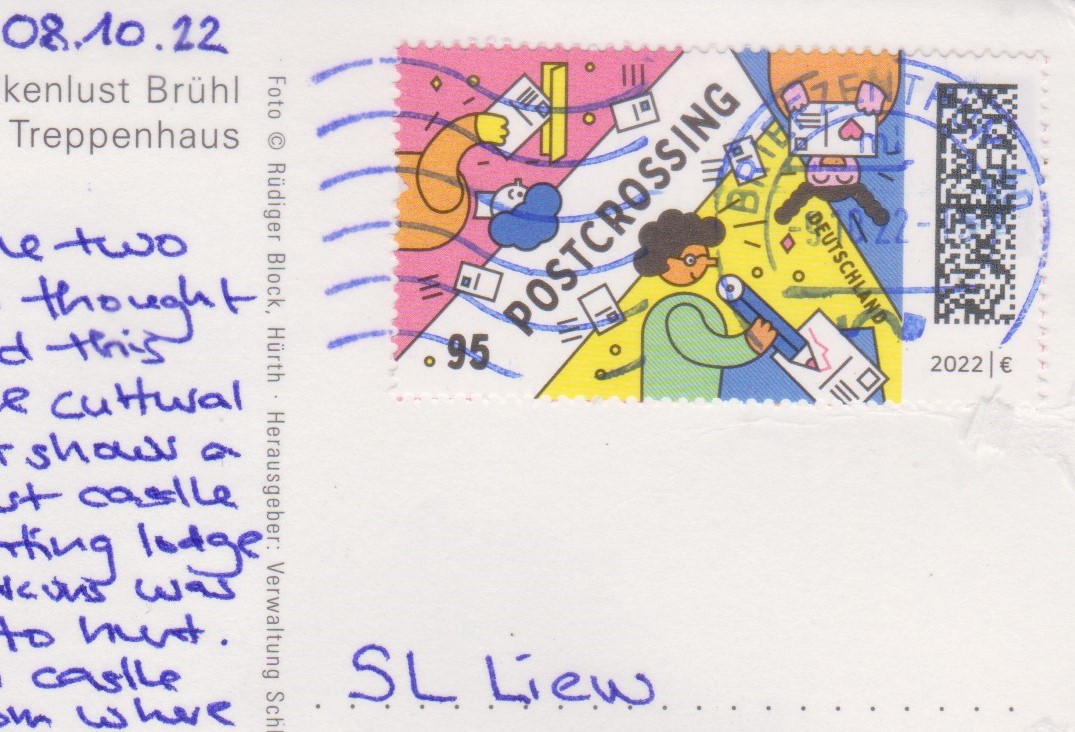
The falconry motif of a staircase tile of Falkenlust Hunting Lodge, Bruhl, Germany. Falconru is a UNESCO Intangible Cultural Heritage in Germany. Thanks to Marcel of Germany.

Austria - Czechia - Germany - Hungary - Slovakia - Blaudruck/Modrotisk/Kékfestés/Modrotlač, resist block printing and indigo dyeing in Europe

"Blaudruck/Modrotisk/Kékfestés/Modrotlač, which translates directly as blueprint or blue-dyeing, refers to the practice of printing a dye-resistant paste onto a cloth before dyeing over it with indigo dye. The resistant paste prevents the dye from penetrating the design, thereby ensuring the applied design remains white or undyed after the dyeing process. To apply the designs onto the cloth, practitioners use hand-crafted blocks that are up to 300 years old, featuring regionally-inspired patterns as well as generic designs or Christian motifs. The representation of local flora and fauna is interrelated with the local culture of the regions. Traditional indigo blue-dyeing does not end with printing, however: the textile chain involves preparing the raw materials and spinning, weaving, finishing, printing and dyeing them. Nowadays, businesses engaged in the practice mainly comprise small, family-owned workshops, run by the second to seventh generation of printers. Each family workshop involves the cooperation of the various family members, who each participate in every step of the production regardless of their gender. Traditional knowledge is still based on (mainly family-owned) journals dating back to the nineteenth century and passed on through observation and hands-on practice. Stakeholders feel a strong emotional bond with their products, and the element encapsulates a sense of pride in long-lasting family traditions."

Source: UNESCO Intangible Cultural Heritage


Traditional Lusatia blue print. Thanks to Zlwe of Dresden, Germany. Sent from Dresden on Jan 10, 2020.

Austria - Schemenlaufen, the carnival of Imst, Austria

Every four years the city of Imst in Austria celebrates its Fasnacht carnival on the Sunday before the Christian season of Lent. The central festivity is Schemenlaufen, a procession of masked, costumed dancers. The main characters are in pairs, one man wearing rotating bells and another wearing larger bells weighing up to 35 kg. Together, they perform a special dance of jumps and bows, with the bells producing a mix of high and low tones. A total of fifty-five such couples participate, while other masked characters slowly imitate their dance. Yet other characters maintain order by softly hitting or splashing the audience with water, while a young girl throws scented powder into the audience. Masked chimney-sweeps climb houses in feats of bravery, witches shout at the audience accompanied by a band playing dissonant melodies, and white or brown bears demonstrate their strength. The carnival unites the whole population of Imst in a common goal: organizing the Fasnacht in accordance with long-standing tradition. Inhabitants of Imst, particularly women, are schooled in the techniques for making Schemenlaufen costumes, while local blacksmiths forge the bells. Everybody may carve wooden masks and knowledge of traditional craftsmanship is usually passed on within the family or taught in special courses.

Austria - Regional Centres for Craftsmanship: a strategy for safeguarding the cultural heritage of traditional handicraft

The Werkraum Bregenzerwald, Hand.Werk.Haus Salzkammergut, and Textiles Zentrum Haslach are three centres in Austria run by local, traditional craftspeople who, for the past 15 years, have been collaborating with international artists, educational institutions, craft businesses and other entities to help safeguard their practices for future generations. The centres have been providing a range of public activities to help maintain the crafts that include woodwork, painting and textile practices, which provide communities with a sense of identity and continuity. Governed by associations in cooperation with craft businesses, as well as educational and scientific institutions, they offer training on traditional techniques, such as introductory courses for primary school students, weekend and summer schools, apprenticeship programmes, and postgraduate courses. Local and international experts help to run the classes, transmitting specialist knowledge and skills associated with the various practices. The centres on craftsmanship also host exhibitions and competitions to enhance visibility of the traditional crafts, attracting local and international designers and artists. Furthermore, they act as bridges between art and industry, providing platforms for the sharing of ideas and experiences on traditional craft practice and the development of cooperative networks. Partnerships between cultural, educational and economic fields are also created, further strengthening safeguarding efforts.

Austria - Switzerland - Avalanche risk management

Avalanche risk management has shaped the identity of Alpine populations, as every winter they deal with the threat avalanches pose to inhabitants, tourists, means of communication and other vital infrastructure. Since the Alps are densely populated, the phenomenon of avalanches is a prime concern and a collective responsibility of the communities. For centuries, inhabitants and highlanders have developed local empirical knowledge, management and risk-avoidance strategies as well as cultural practices to guard themselves against avalanche hazards. Nowadays, modern tools such as measurement instruments and risk mapping complement traditional knowledge, which continues to be developed and adjusted on the ground by knowledge bearers. The element is entrenched in the everyday culture of the communities concerned and underscores the importance of solidarity in crisis situations. Assessing avalanche risks requires a sound knowledge of nature, especially the terrain, snow, weather conditions and past avalanches. While that knowledge was once transmitted verbally, nowadays it is the result of a dynamic process combining empirical knowledge and practical experience: knowledge is transferred from science to practice, and from the ground to research. Numerous training activities are offered, and those interested have access to a wide range of information sources such as avalanche bulletins, the media, checklists, websites, media, manuals and exhibitions.